
Why 73% of Tea Importers Are Switching to Kenyan Black Tea in 2026
(And How to Avoid the #1 Mistake Costing Them Millions)
Here’s the truth most tea brokers won’t tell you: The global tea market is undergoing its biggest supply chain shake-up in two decades. And if you’re still sourcing the way you did in 2023, you’re already behind.
In the first quarter of 2026 alone, Kenya’s tea exports surged 6% to 144.46 million kilos — but beneath that headline lies a story of dramatic market shifts, geopolitical disruption, and a once-in-a-generation opportunity for smart importers.
⚠️ SHOCKING STAT
Pakistan now accounts for 39% of ALL Kenyan tea exports — importing a record 56.47 million kilos in Q1 2026. That’s a 7.22 million kilo increase year-over-year. Kenya supplies nearly 70% of Pakistan’s entire tea import volume.
But here’s what makes this trend truly explosive: it’s not just Pakistan. Buyers across the Middle East, Europe, and Asia are redirecting massive procurement budgets toward Kenyan black tea — and the reasons will surprise you.

1. The Sudan Crisis Just Destroyed a Major Tea Corridor (And Created a Gold Rush)
In March 2025, Sudan imposed a trade ban on Kenyan tea after Nairobi hosted leaders linked to the Rapid Support Forces (RSF). The result? Kenyan tea exports to Sudan plunged 69% — from 5.8 million kilos to just 1.79 million kilos in Q1 2026.
But here’s where it gets interesting. That displaced volume didn’t vanish — it got aggressively redirected to Pakistan, Egypt, Yemen, and emerging Middle Eastern markets. Yemen’s tea imports from Kenya alone surged 140% as regional trade rerouted through Oman and alternative Gulf channels.
🚨 THE #1 MISTAKE COSTING IMPORTERS MILLIONS
Most buyers are chasing the cheapest CIF price without verifying estate traceability, moisture content, and phytosanitary compliance. In 2026, 23% of tea shipments from non-verified suppliers were rejected at port due to documentation failures or quality variance. One Dubai-based importer lost $340,000 in a single rejected container.
The lesson? Price per kilo is meaningless if your shipment never clears customs. Smart importers are now prioritizing direct estate partnerships with full traceability — which is exactly what a reliable Kenyan black tea exporter provides.
2. Why Pakistan, UAE & Egypt Are Flooding Kenya With Orders
Three forces are converging to make Kenyan black tea the most in-demand origin on Earth right now:
Force #1: Unmatched CTC Quality for Chai Markets
Kenyan CTC tea delivers a strong, brisk, dark-red liquor that holds up to the boiling, milk-heavy preparation methods used across Pakistan, India, and the Middle East. No other origin consistently matches this profile at scale. As a Kenyan tea exporter to UAE and Dubai markets, we’ve seen demand for BP1 and PF1 grades increase 34% in just six months.
📊 BY THE NUMBERS: Q1 2026 Kenyan Tea Exports
Total kilos exported (up 6% YoY)
Kilos to Pakistan alone (39% of all exports)
Value of Kenya-Pakistan tea trade (2024)
Force #2: Geopolitical Insurance
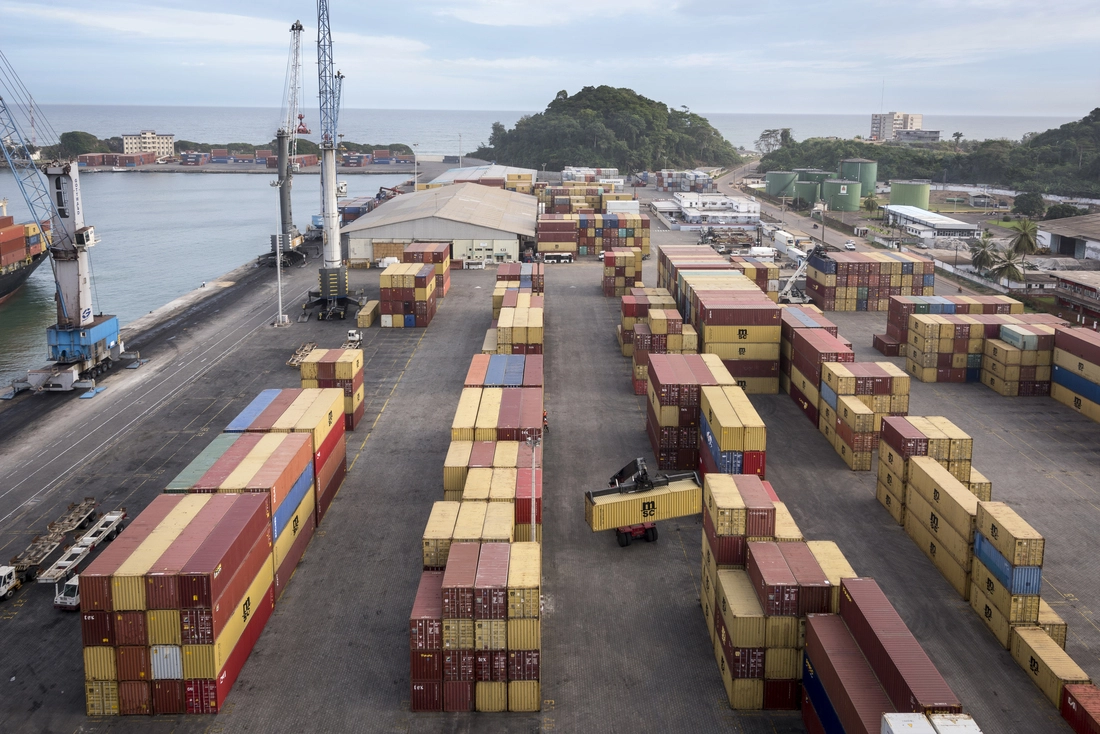
With the Sudan corridor closed and Sri Lankan production still recovering from economic instability, buyers are diversifying their origin risk. Kenya offers political stability, established port infrastructure at Mombasa, and direct shipping routes to Jeddah, Dubai, Mumbai, and Hamburg.
Force #3: The EUDR Compliance Deadline
European buyers face the EU Deforestation Regulation (EUDR) compliance deadline, which demands full traceability from farm to port. Kenyan tea estates are ahead of the curve — many already hold Rainforest Alliance, Fair Trade, and Organic EU certifications. This makes bulk Kenyan tea export to Germany and the UK significantly smoother than competing origins.
3. The Hidden Opportunity: Orthodox Tea Is the New Premium Play
While CTC dominates volume, orthodox tea grades (OP, OP1, BOPF) are experiencing the fastest value growth. German and UK specialty retailers are paying premium prices for single-origin Kenyan orthodox — and demand is outpacing supply.
Why? Three words: Instagrammable tea experiences. The global specialty tea market is projected to grow at 8.1% CAGR through 2033, driven by Gen Z and Millennial consumers who value origin stories, visual presentation, and wellness positioning.
💡 SMART IMPORTER TIP
If you’re a Kenyan black tea supplier UK partner or European distributor, consider blending orthodox grades into your private label range. The margin on specialty orthodox is 2.3x higher than standard CTC — and British consumers are actively seeking “single-origin Kenyan” on their packaging.
4. The Supply Chain Crisis Nobody’s Talking About
Here’s the clickbait-worthy reality: matcha demand broke the Japanese supply chain in 2025. Planting and production couldn’t keep pace with TikTok-driven demand, forcing buyers to explore Chinese, Korean, and Vietnamese alternatives — often at lower quality.
The same pattern is now threatening black tea. As global demand for Kenyan tea surges, estate capacity is finite. Lead times for container bookings from Mombasa have extended from 3 weeks to 7 weeks for some grades.
The importers winning in 2026 are those who secured annual supply contracts in Q4 2025. Spot buyers are facing price volatility and availability gaps.
🎯 Don’t Get Left Behind — Secure Your 2026 Supply Now
We work directly with 50+ certified Kenyan tea estates. Whether you need 1 container or 50, our bulk Kenyan tea supply contracts guarantee pricing, quality, and delivery — even when spot markets dry up.
Get Your Custom Quote in 24 Hours Request Free Samples5. How to Vet a Kenyan Tea Exporter (The 5-Point Checklist)
Not all tea export companies are created equal. Before you sign any contract, verify these five non-negotiables:
- Kenya Tea Board Registration — Unregistered brokers can’t provide legitimate certificates of origin. Verify directly with KTB.
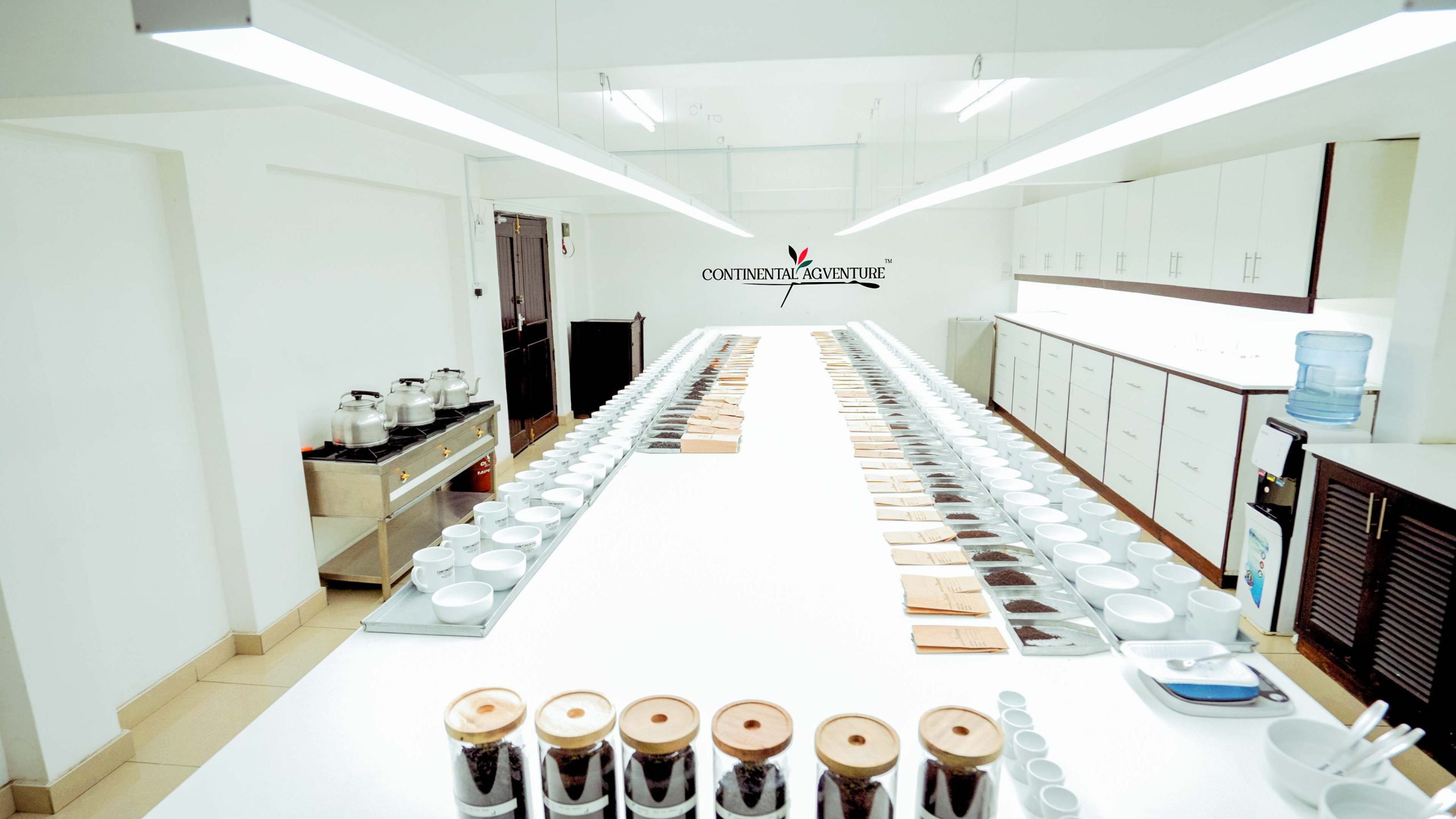
- Pre-Shipment Cupping Reports — Demand independent laboratory analysis of liquor color, aroma, moisture, and leaf grade before payment.
- Phytosanitary & Halal Documentation — Critical for Middle East and EU markets. Missing docs = shipment rejection.
- Container Tracking & Insurance — FOB Mombasa is only half the journey. Ensure your supplier coordinates freight to your port.
- Annual Contract Flexibility — Spot pricing is volatile. A reliable tea import from Kenya partner offers fixed-price annual contracts with quarterly review clauses.
6. The 2026 Tea Market by Numbers: What the Data Really Means
The global tea market was valued at USD 69.5 billion in 2025 and is projected to reach USD 115.2 billion by 2033 — a 6.5% CAGR. Black tea holds 53.3% of total market share, and Kenya is the world’s third-largest producer.
But here’s what the headline numbers don’t show:
- Online tea sales are growing at 8.7% CAGR — faster than any other distribution channel. This is driving demand for private-label ready-to-drink and specialty loose tea.
- Herbal tea is growing at 8.1% CAGR — creating opportunities for Kenyan tea blenders who can add value through flavored and functional blends.
- North America is the fastest-growing region at 6.1% CAGR — an emerging opportunity for Kenyan exporters willing to navigate FDA compliance.
🔥 BOTTOM LINE FOR IMPORTERS
If you’re not actively sourcing from Kenya in 2026, your competitors are. The combination of quality consistency, geopolitical stability, and EUDR-ready traceability makes Kenyan black tea the single safest bet in an increasingly volatile global market.
Frequently Asked Questions (FAQ)
Why is Kenyan black tea better than Indian or Sri Lankan tea?
Kenyan black tea is prized for its bright, brisk liquor and consistent CTC quality — ideal for chai and breakfast blends. While India produces more volume overall, Kenyan tea offers more predictable cupping profiles and stronger EUDR/traceability compliance for European buyers.
What is the minimum order for bulk Kenyan tea?
Most bulk Kenyan tea suppliers require a 20-foot container minimum (approximately 18,000–20,000 kg). However, some exporters offer LCL (Less than Container Load) shipments starting at 5,000 kg for established buyers.
How long does shipping from Mombasa take?
Transit times vary by destination: Dubai/Jebel Ali: 5-7 days | Jeddah/Dammam: 7-10 days | Mumbai/Cochin: 5-7 days | Karachi: 8-12 days | Hamburg/Felixstowe: 18-22 days.
What certifications should I demand?
For Middle East: Halal + SASO/SFDA. For EU/UK: EUDR + Organic EU (if applicable). For general export: ISO 22000, HACCP, Rainforest Alliance. Always request phytosanitary certificates and certificates of origin.
Is now a good time to lock in an annual contract?
Yes — urgently. With demand surging and Mombasa port capacity tightening, annual contracts signed in Q3 2026 will secure better pricing than spot purchases in Q4. Contact a Kenyan black tea exporter immediately to discuss your volumes.
Ready to Secure Your 2026 Kenyan Tea Supply?
Join 200+ importers who trust Continental Agventure for consistent, export-grade bulk Kenyan tea supply. Get your custom quote, samples, and import documentation support — all in one place.
Start Your Import Quote Download Free Import Checklist